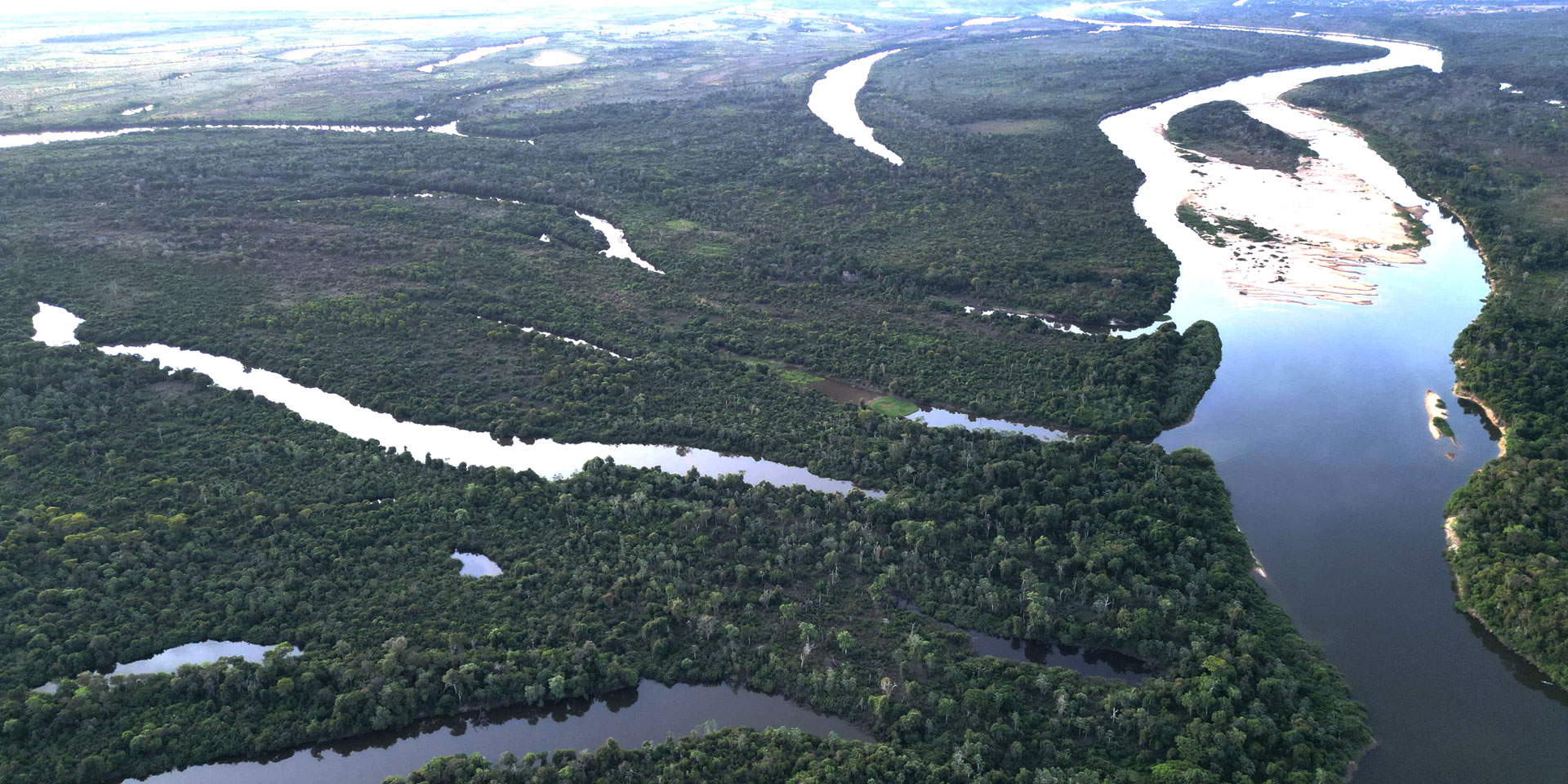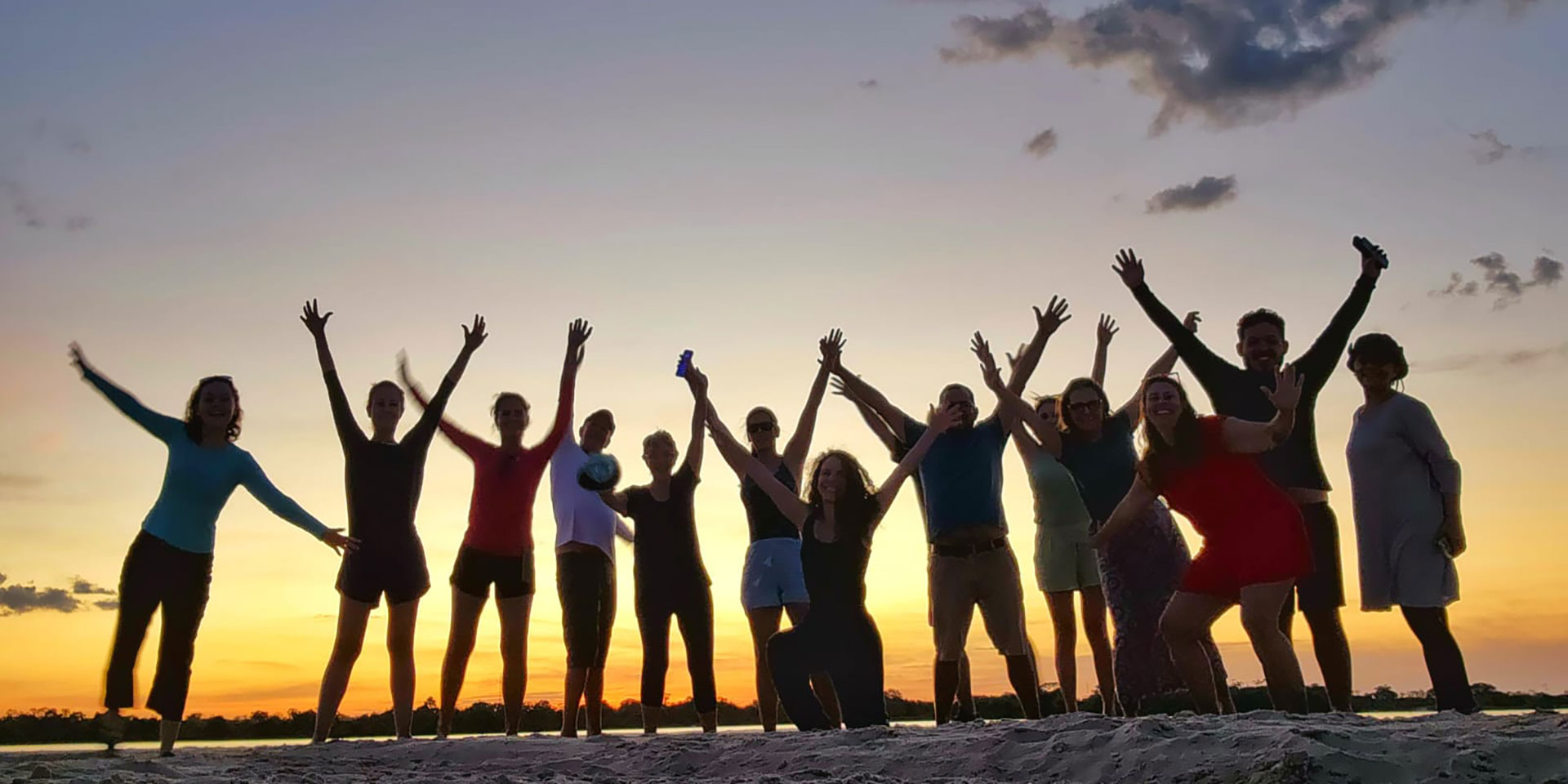


During these months, cities like Caseara, Pium, Araguacema, and Aruanã receive thousands of visitors attracted by the crystal-clear waters, sunny weather, and infrastructure set up especially for the high season. Beach tents, kiosks, camping areas, and cultural events enliven the riverbanks, creating a festive and welcoming atmosphere. It’s the ideal time for families, groups of friends, and ecotourism enthusiasts to explore the best that Cantão has to offer.
River beaches: refreshing swims and leisure by the river.
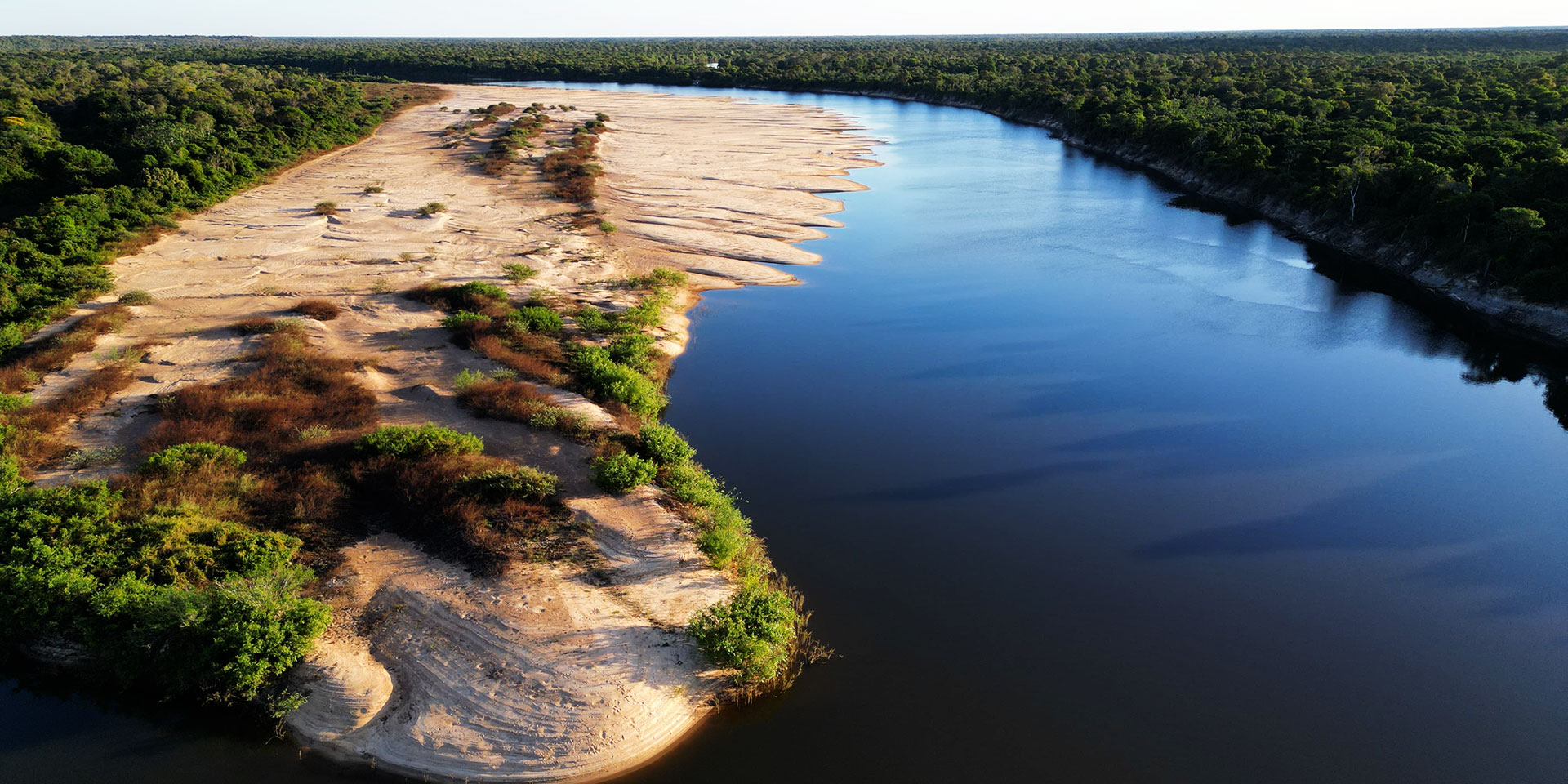
The highlight of the dry season is the river beaches that emerge along the Araguaia and Coco rivers. Between June and September, extensive stretches of white sand appear, forming natural bathing areas such as Praia do Coco, Praia da Gaivota, Praia do Sol, and Praia da Ilha. These beaches offer warm, shallow, and safe waters for swimming, ideal for children and adults.
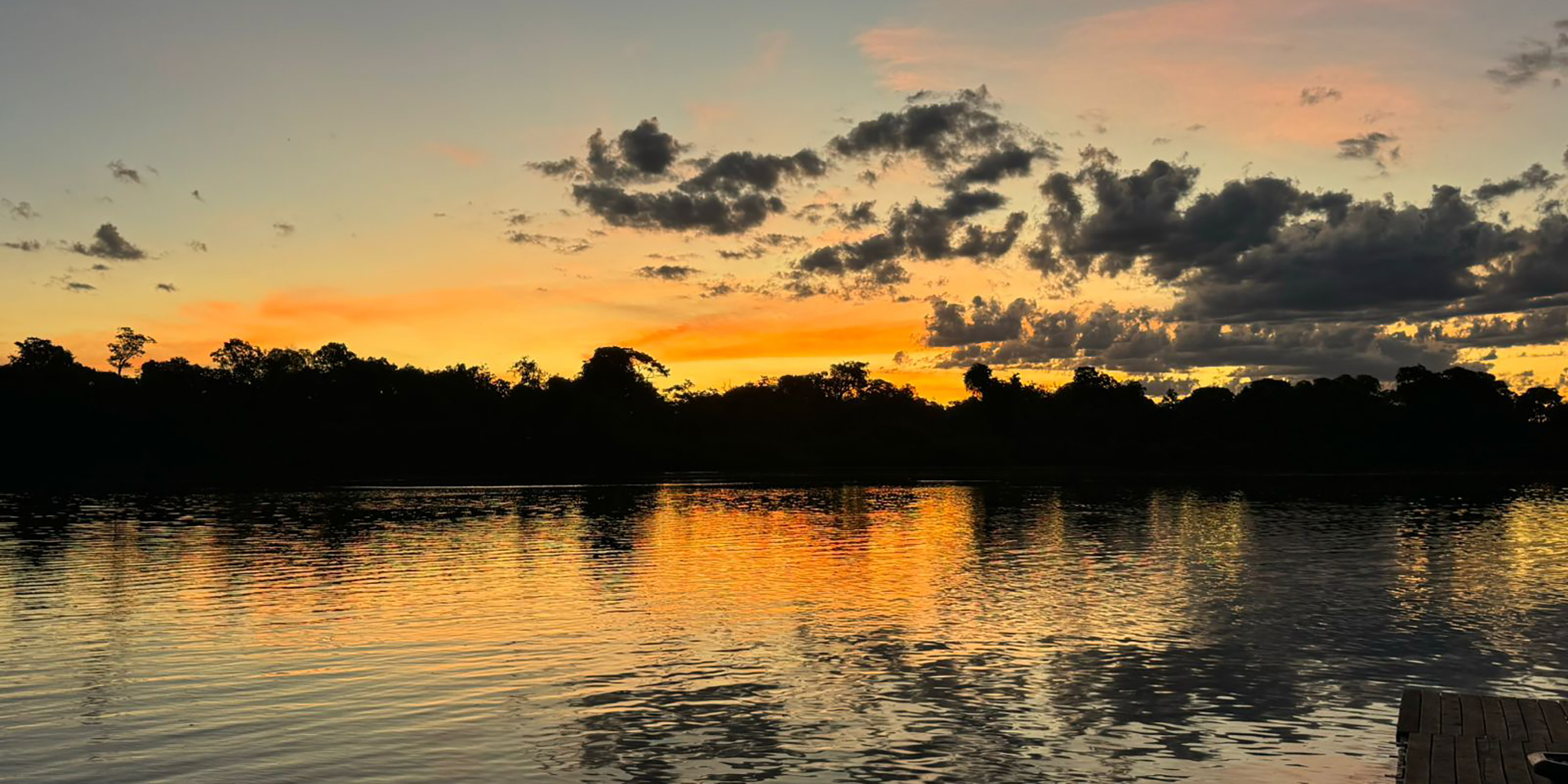
In addition to river bathing, the beaches are the setting for sporting activities such as volleyball, beach soccer, kayaking, stand-up paddleboarding, and jet skiing. Stalls and kiosks serve regional snacks, cold drinks, and typical fish-based dishes, providing comfort and flavor to visitors. The sunset on the Araguaia beaches is an unmissable spectacle, with vibrant colors reflected in the calm waters.
During the high season, cultural and musical events enliven the riverside towns. June festivals, country music festivals, folkloric performances, and sporting championships attract tourists from all over Brazil, strengthening the local economy and promoting integration between visitors and communities.
Hiking trails and treks: exploring the biodiversity of Cantão.
With the receding water levels, previously submerged trails become accessible, allowing for the exploration of different ecosystems in the Cantão region. The park features ecological trail circuits, such as the Cega-Machado Circuit, which offers 7.5 km of hiking trails and 5.5 km of canoeing trails. These routes cross flooded forests, beaches, wetlands, and lakes, providing direct contact with the local flora and fauna.
The hikes are accompanied by specialized guides who provide safety, environmental interpretation, and species identification information. The difficulty level of the trails varies from easy to moderate, making them accessible to people of different ages and fitness levels. During the hike, it is possible to spot colorful birds, mammals, reptiles, and a wide variety of plants adapted to the water cycle.
Birdwatching is one of the highlights of the trails. Giant otters, Araguaia river dolphins, caimans, turtles, capybaras, deer, and even jaguars can be spotted, especially in the early morning or at dusk. Birdwatching is a very popular activity, with particular interest in species such as toucans, herons, hoatzins, macaws, and migratory birds.
Sport fishing and water sports: adventure and sustainability
The dry season is also the best time for sport fishing in Cantão. With the concentration of fish in the lakes and canals, anglers from all over the country come in search of species such as peacock bass, pintado catfish, pacu, pirarucu, and piraíba catfish. Fishing is practiced using a “catch and release” system, respecting conservation standards and ensuring the sustainability of fish stocks.
In addition to fishing, water sports such as canoeing, kayaking, rafting, and stand-up paddleboarding are popular in the calm waters of the rivers and lakes. These activities offer adventure, contact with nature, and health benefits such as muscle strengthening, balance, and cardiovascular endurance. Experienced guides and safety equipment ensure the peace of mind of participants.
Immersive experiences: photographic safaris, visits to indigenous villages, and rural tourism.
Canton also offers immersive experiences for those who wish to go beyond conventional tourism. Photographic safaris, conducted by boat or on foot, allow visitors to capture the beauty of the fauna and flora at different times of day and night. Visits to indigenous villages, such as those of the Karajá and Javaé ethnic groups, provide contact with ancestral traditions, crafts, rituals, and knowledge about nature.
Tips on safety, logistics, and sustainability.
To make the most of the dry season in Cantão, it’s important to plan your trip in advance. The main access point is through the city of Caseara, about 260 km from Palmas, the capital of Tocantins. Travel can be done by car, bus, or through packages offered by specialized agencies. Hiring local guides is mandatory for tours inside the park, ensuring safety and enriching the experience with information about the region.
During the high season, it is recommended to book accommodation in advance, as the demand for guesthouses, hotels, and camping areas is high. Respect for environmental regulations, such as not leaving trash on the beaches, avoiding the use of polluting products, and following the guides’ instructions, is fundamental for the preservation of Cantão. Sustainable tourism practices, such as consuming local products and valuing communities, contribute to economic development and the conservation of natural heritage.
Suggested Activities for the Dry Season
- River bathing and relaxation on river beaches
- Hiking and ecological trails with wildlife and flora observation
- Sport fishing and water sports (kayaking, stand-up paddleboarding)
- Photographic safaris and bird watching
- Visits to indigenous villages and cultural experiences
- Tasting of typical cuisine from the Araguaia Valley
The dry season in Cantão is an invitation to adventure, leisure, and connection with nature. Whether you’re seeking rest, sports, culture, or authentic experiences, the Araguaia Valley offers a range of possibilities that enchant and surprise with each visit.