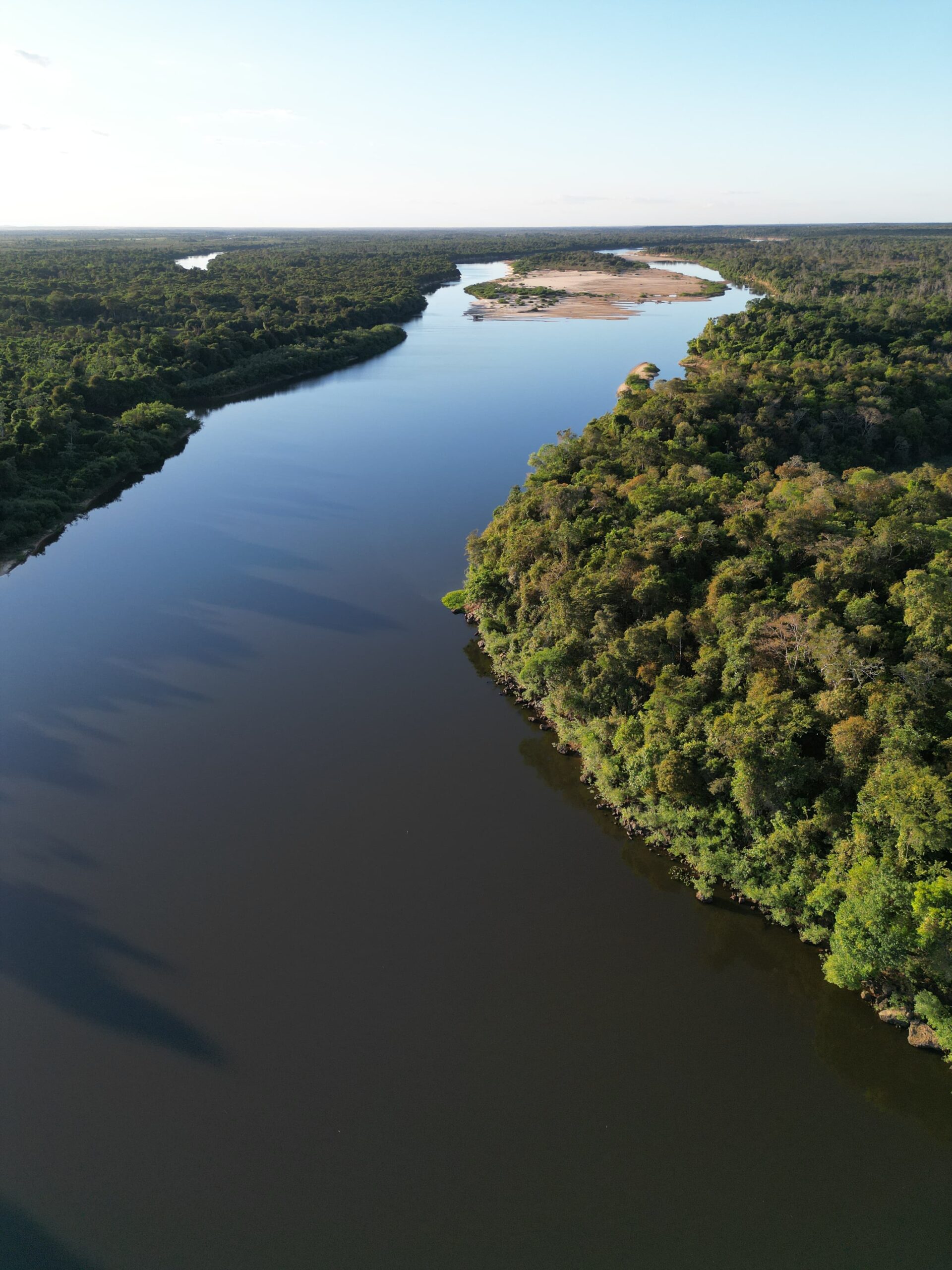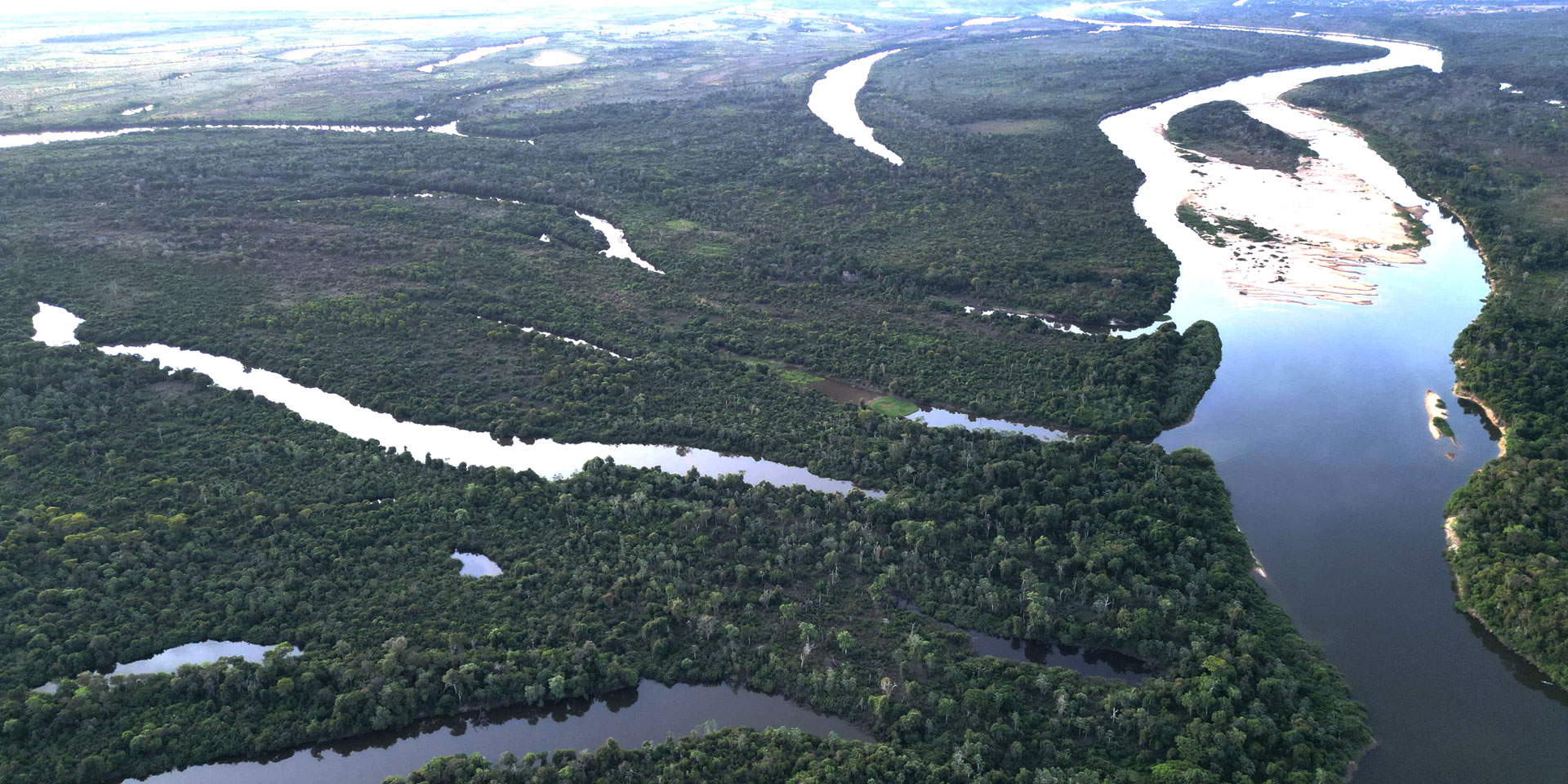


Located in the transition zone between the Cerrado and the Amazon, Cantão is a true mosaic of life, where rivers, lakes, river beaches, and flooded forests alternate according to the seasons. This region, encompassing municipalities such as Caseara, Pium, and Araguacema, is marked by two well-defined seasons: the flood season, from November to April, and the dry season, from May to October. Each season imprints a unique identity on the landscape and tourist activities, making Cantão a destination that reinvents itself every six months.
During the flood season, the waters of the Araguaia, Coco, and Javaés rivers overflow, flooding forests and connecting more than 800 lakes and lagoons. The scenery transforms into a vast aquatic labyrinth, where navigation takes place among the treetops and wildlife flourishes in abundance. In the dry season, the waters recede, revealing extensive white sand beaches, sandbanks, and previously submerged trails, inviting river bathing, hiking, and contemplation of nature. This alternation not only shapes the landscape but also defines the rhythm of tourist experiences, offering distinct opportunities for those wishing to explore the Canton at different times of the year.
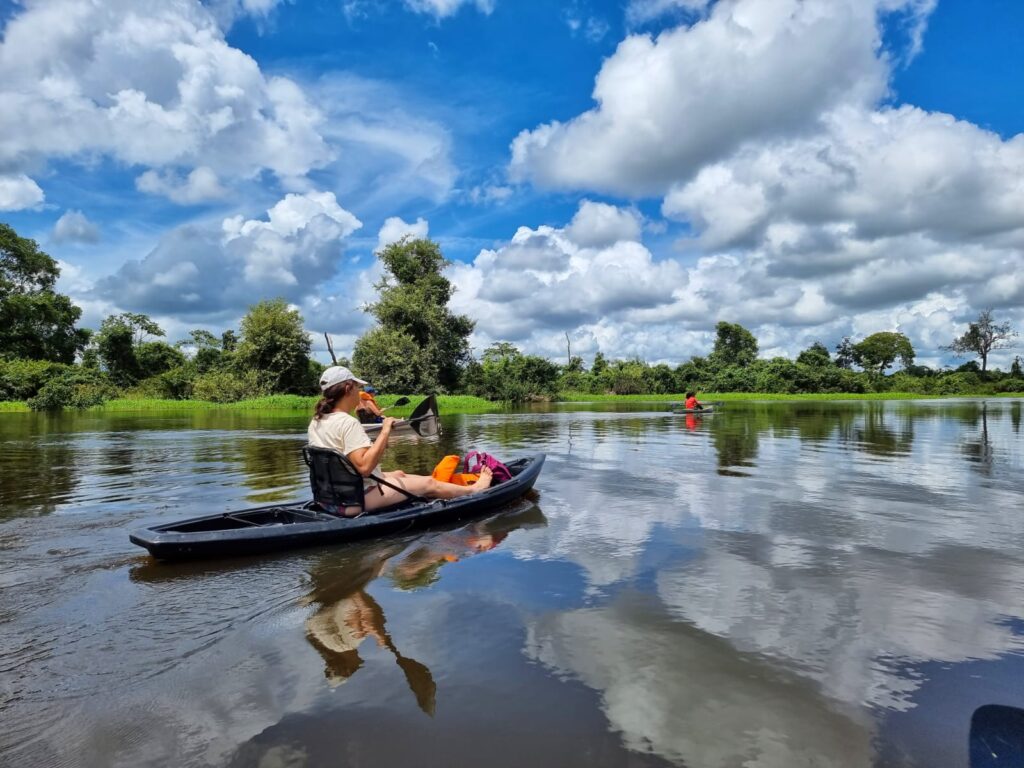
Flood season: flooded forests and boat trips over the treetops.
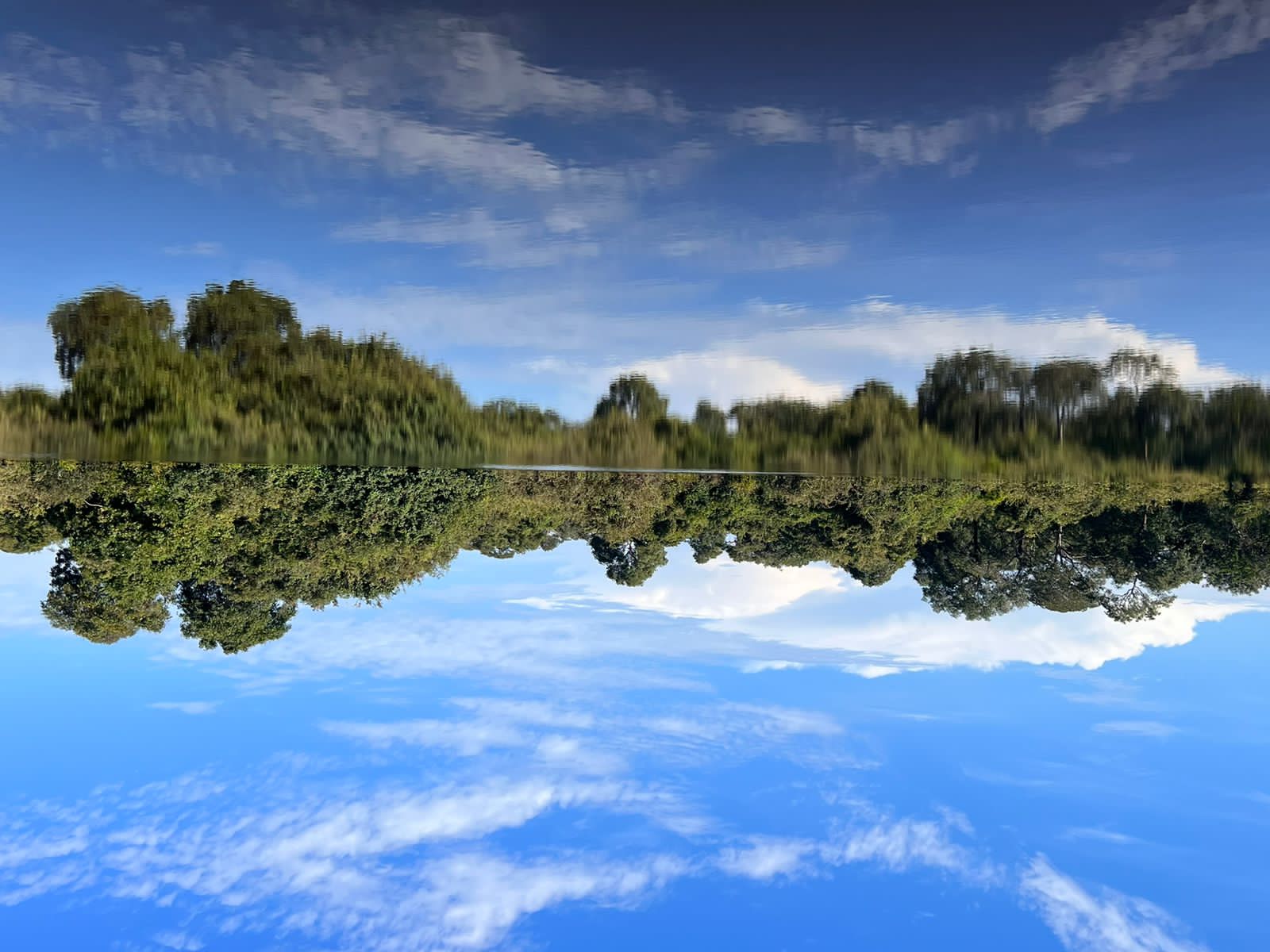
Between November and April, Cantão experiences its flood season. Intense rains raise river levels, inundating forested areas and creating a unique environment known as igapó. During this time, the best way to explore the region is aboard boats or canoes, gliding silently between submerged trunks and branches emerging from the water.
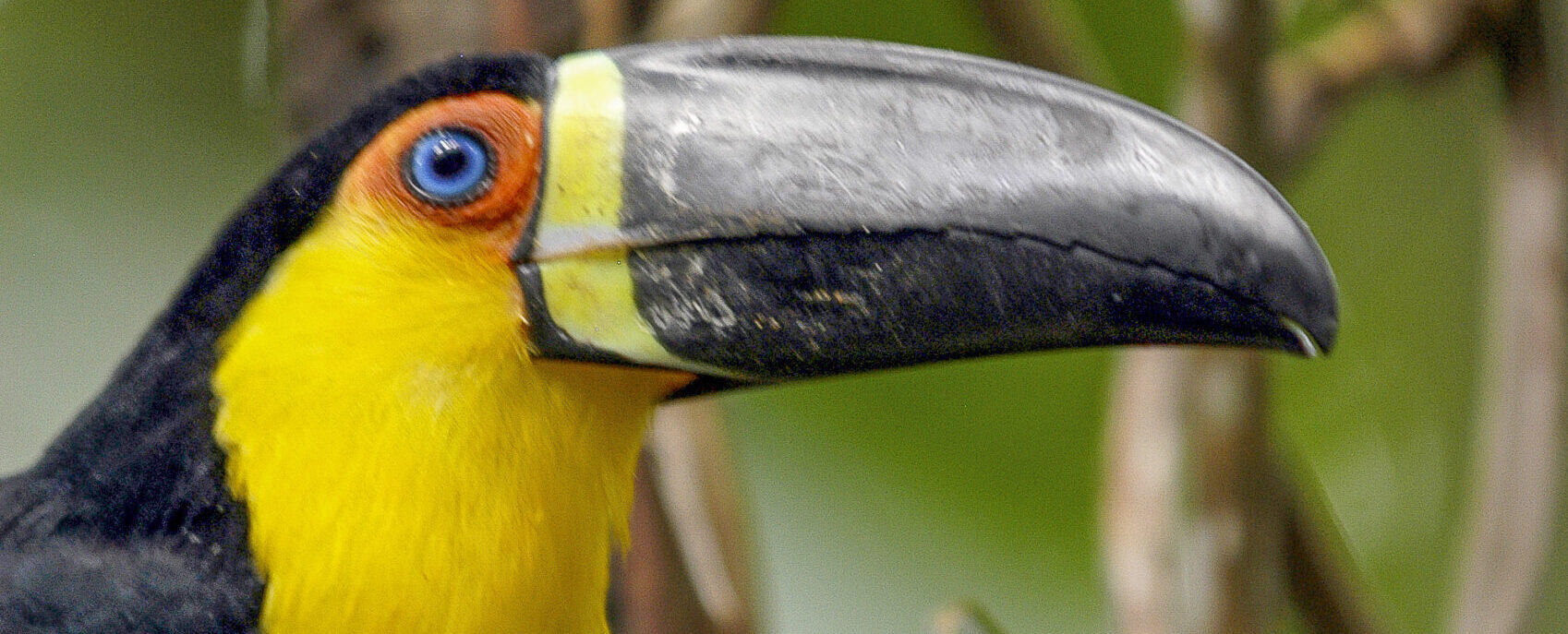
Navigating the treetops is a unique experience, allowing close observation of the fauna and flora adapting to the water cycle. Giant otters, Araguaia river dolphins, caimans, turtles, and countless birds take advantage of the abundance of fish and the protection of the flooded environments to feed and reproduce. Birdwatching reaches its peak, with nearly 500 species recorded in the region, including herons, hoatzins, toucans, and migratory birds.
In addition to wildlife observation, boat trips provide a sensory immersion in the flooded forest. The silence of the waters, broken only by birdsong and the sound of oars, creates an atmosphere of contemplation and respect for nature. Experienced local guides, knowledgeable about the secrets of Cantão, lead visitors through canals and lakes, sharing stories, legends, and interesting facts about the region.
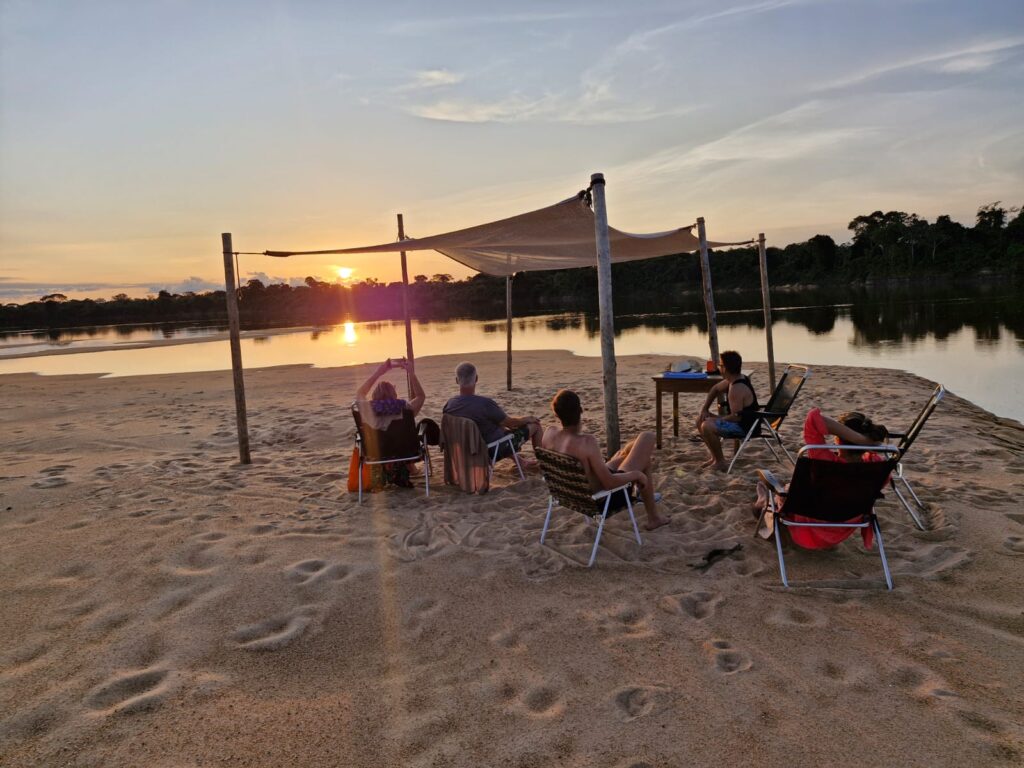
Dry Season: river beaches, river bathing, and forest trails.
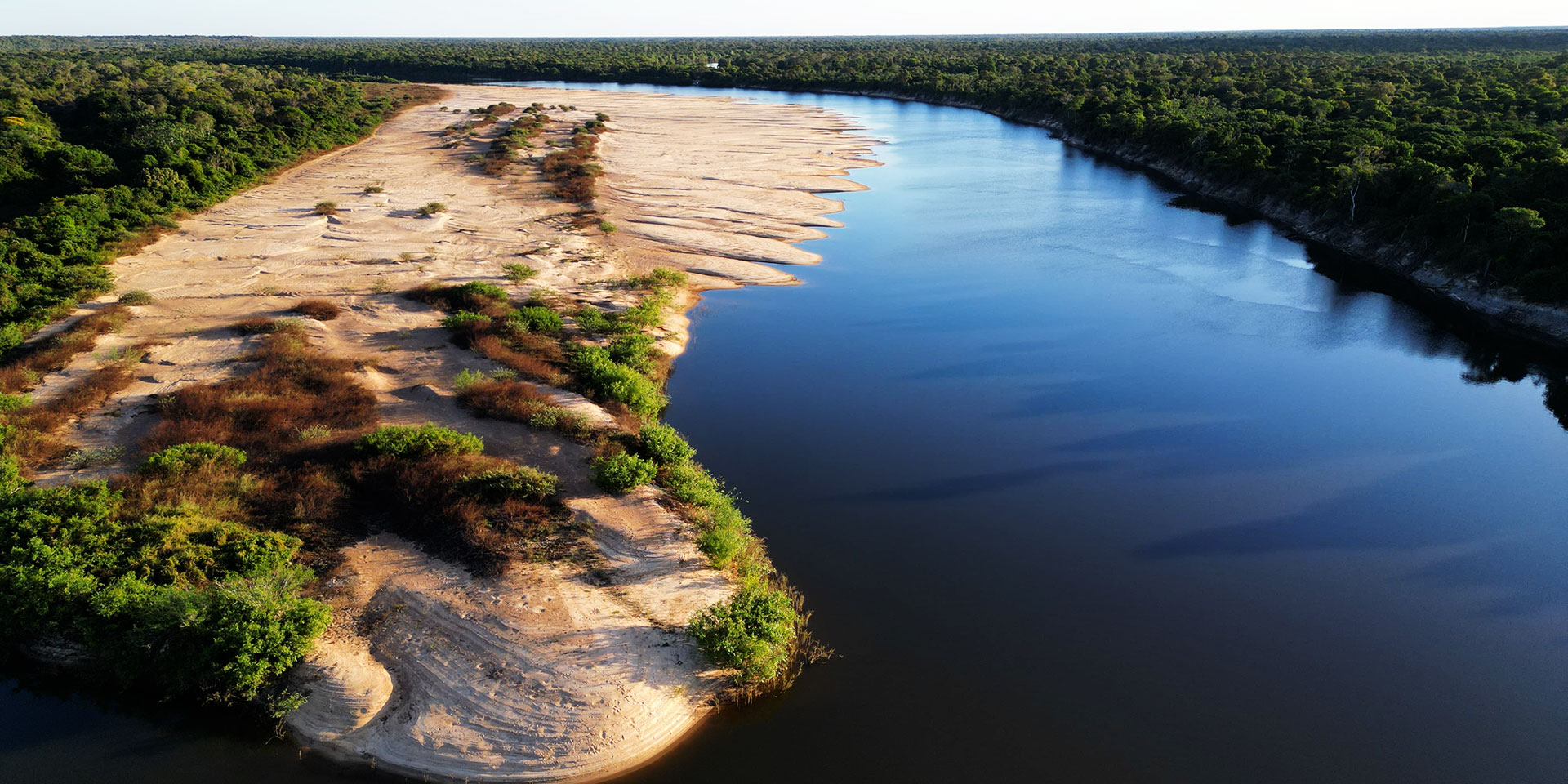
With the arrival of May, the rains cease and the waters begin to recede. Between May and October, Cantão reveals its other face: that of the river beaches and sandbanks that stretch along the Araguaia and Coco rivers. It’s beach season, when thousands of tourists are drawn to river bathing, water sports, and leisure time by the water.
The beaches of Cantão, such as Praia do Coco in Caseara and Praia da Gaivota in Araguacema, become true natural bathing resorts, with infrastructure including kiosks, stalls, and camping areas. The dry and sunny climate favors activities such as hiking, ecological trails, sport fishing, canoeing, and family picnics. The trails, previously flooded, become accessible and allow exploration of the diversity of ecosystems, from gallery forests to cerrado fields.
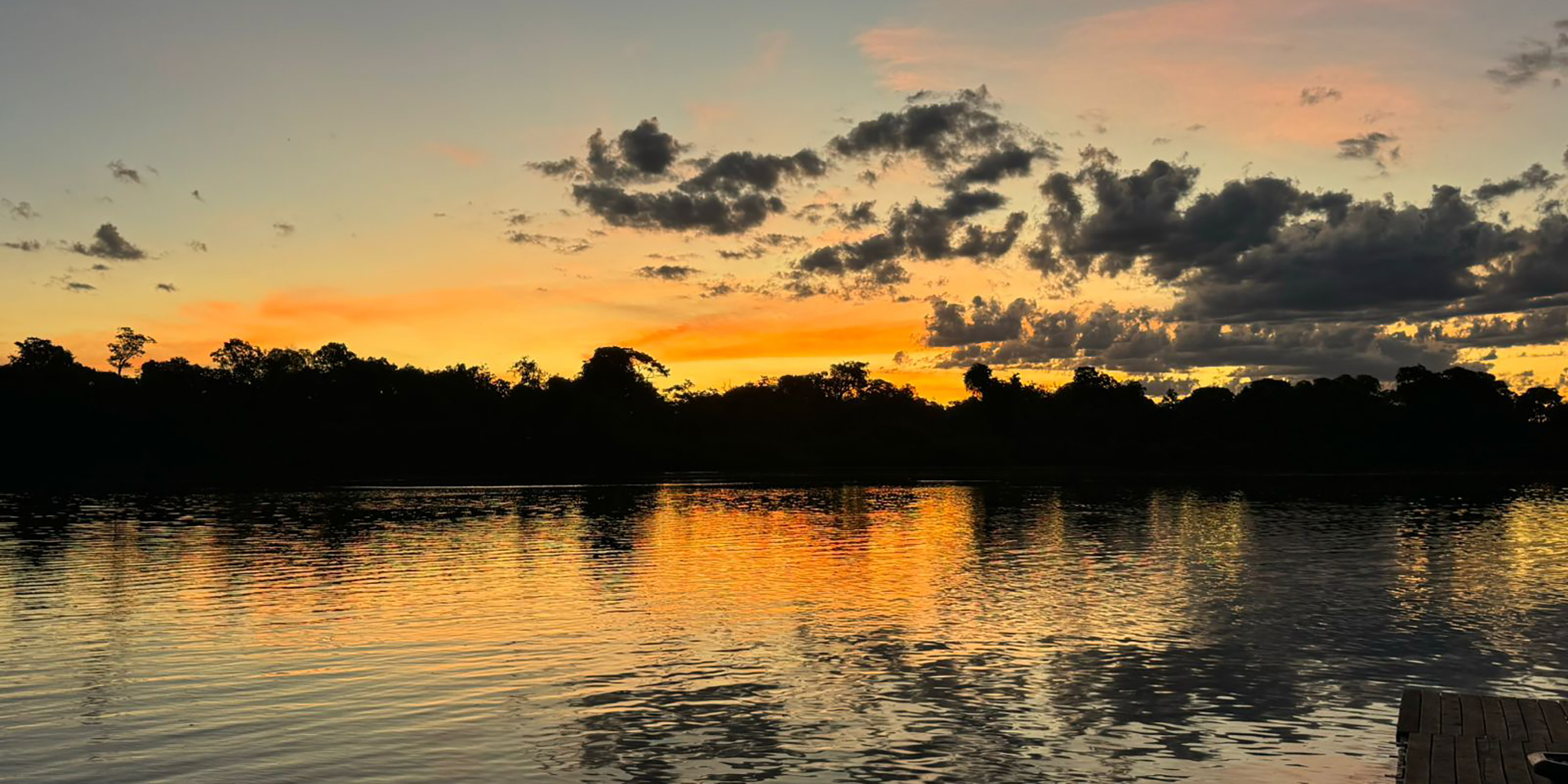
The dry season is also ideal for observing animals that congregate on the banks of rivers and lakes in search of food and water. Alligators, capybaras, deer, giant otters, and, with luck, even jaguars can be spotted during photographic safaris or guided tours. The sunset on the beaches of Araguaia is a spectacle in itself, with colors that reflect in the calm waters and invite contemplation.
The water cycle and life in Canton: adaptation and biological richness.
The alternation between flood and drought is not just a climatic phenomenon, but the engine that drives life in Cantão. This cycle regulates fish reproduction, bird migration, mammal behavior, and even human activities such as fishing and tourism. During the flood season, fish disperse throughout the lakes and flooded forests, providing food for predators such as giant otters and river dolphins. During the dry season, they concentrate in pools and channels, making them easier to catch by fishermen and animals.
The flora also responds to the water cycle, with species adapted to both flooding and drought. Trees with aerial roots, palm trees, buriti palm groves, and aquatic plants compose a landscape of great beauty and ecological complexity. This biological richness makes Cantão one of the main nurseries of life in Brazil, sheltering endangered species and serving as an ecological corridor between the Cerrado, the Amazon, and the Pantanal.
Unmissable experiences in every season.
For those who wish to experience the best of Cantão, the tip is to choose the resort according to the type of experience desired:
- During the flood season (November to April): opt for boat trips through the flooded forest, bird and aquatic mammal watching, photographic safaris, and visits to riverside communities. Take the opportunity to learn about conservation projects, such as the monitoring of giant otters and Araguaia river dolphins.
- During the dry season (May to October): enjoy river beaches, river bathing, ecological trails, sport fishing, water sports, and regional festivals.
Regardless of the season, Cantão offers a deep immersion in nature, with welcoming accommodation options, regional cuisine, and activities for the whole family. The secret is to plan the trip in advance, respect the guides’ instructions, and adopt sustainable tourism practices, contributing to the preservation of this natural heritage.