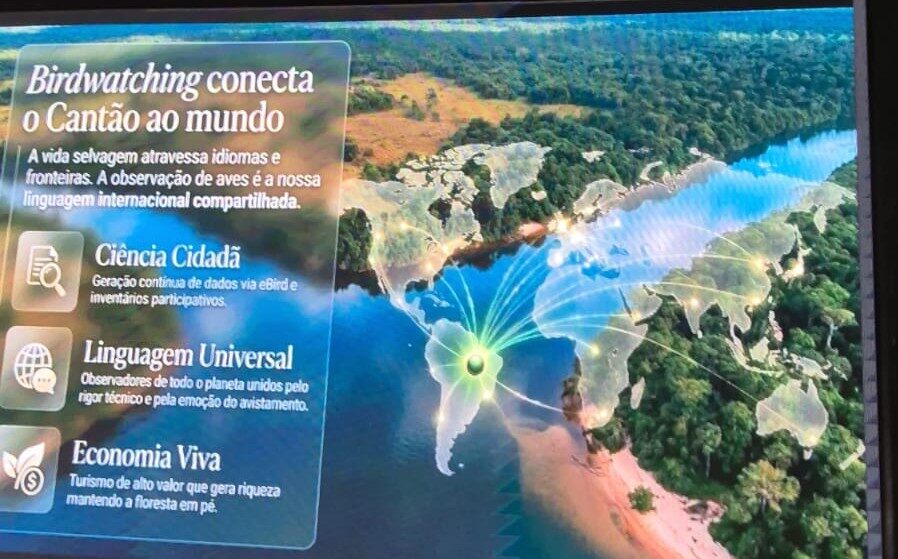


The participation of business leaders Raquel Acácio and Guilherme Tiezzi in the Brazilian Birdwatching Meeting – Avistar 2026, held from May 15 to 17 in São Paulo, officially placed the Cantão region, in the state of Tocantins, on the radar of both national and international travelers interested in birdwatching and nature tourism. Recognized as Brazil’s leading birdwatching event, Avistar brought together destinations, researchers, tour operators, and industry experts from across the country.
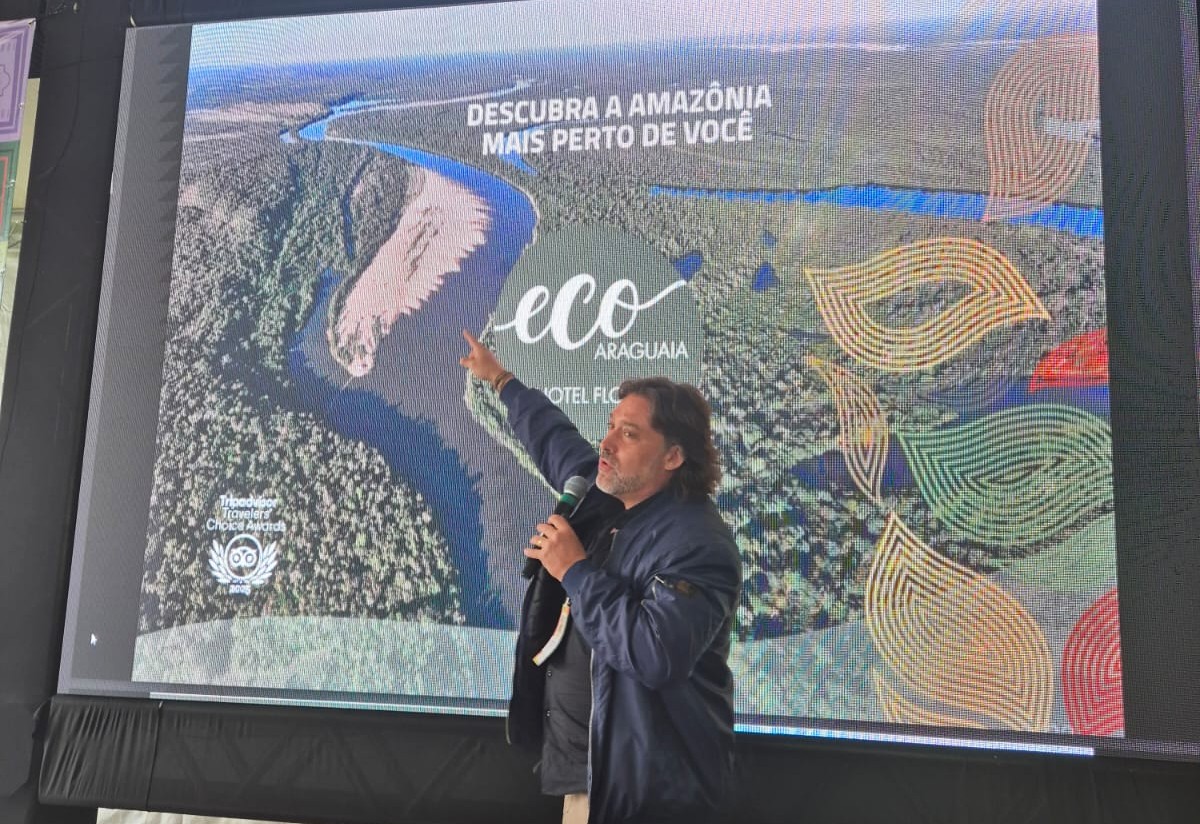
With the presentation “Cantão Biosphere: Journey to the Center of the World,” Guilherme Tiezzi introduced to a specialized audience a proposal that goes beyond wildlife contemplation, connecting birdwatching, environmental regeneration, belonging, and a new vision for territorial development. The lecture highlighted Cantão’s potential as one of Brazil’s most promising emerging destinations for wildlife observation.
During the presentation, Tiezzi invited the audience to reflect on the relationship between humans and nature. “What if observing were the first act of a new way of engaging with the world?” he asked. Drawing from experiences developed in Cantão, at Fazenda do Futuro and EcoAraguaia, he argued that regeneration arises from presence, listening, and the creation of genuine bonds with the territory.
The presentation integrated concepts such as regenerative economy, conscious leadership, rewilding, and the noosphere into the practice of birdwatching. According to Tiezzi, observing birds teaches that “life does not reveal itself through demand; it reveals itself through relationship,” transforming the tourism experience into an exercise in belonging and environmental responsibility.
A Unique Territory
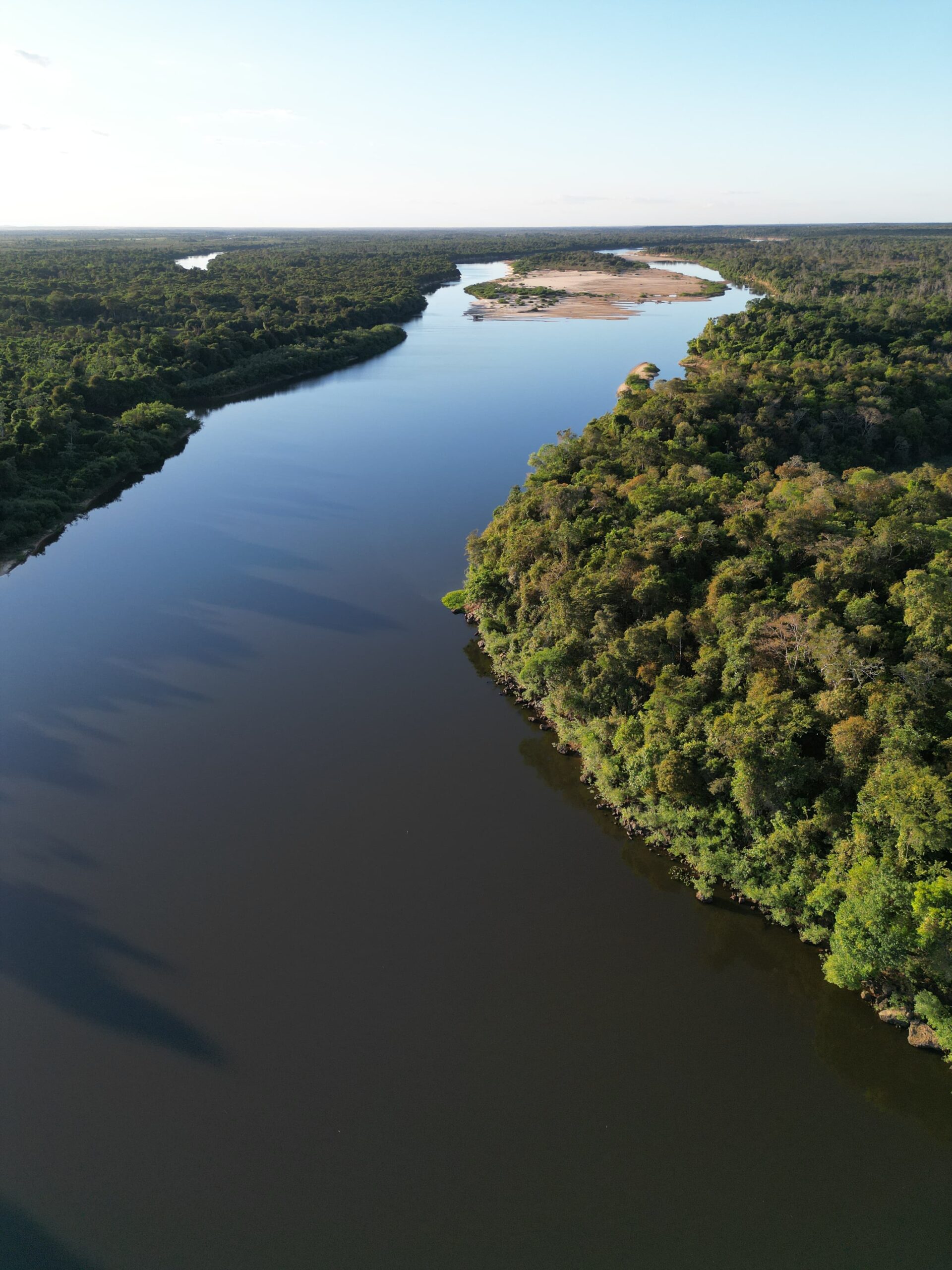
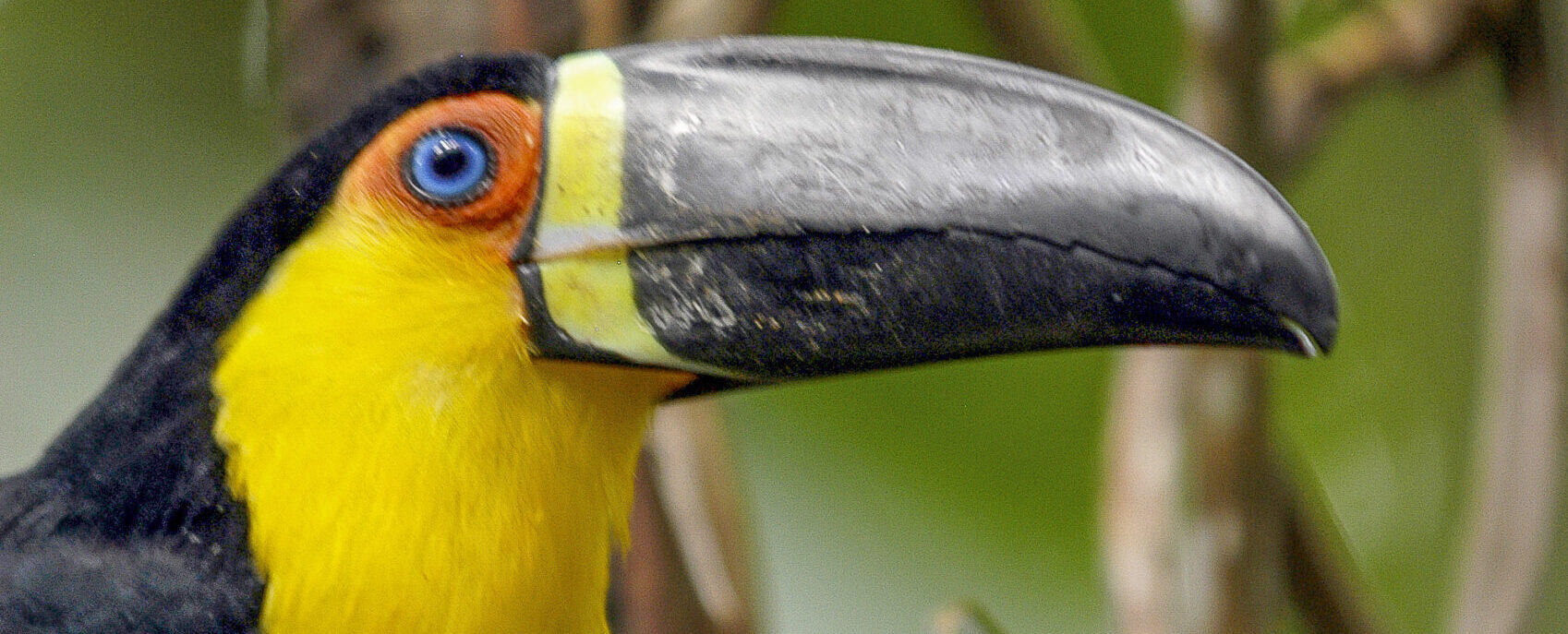
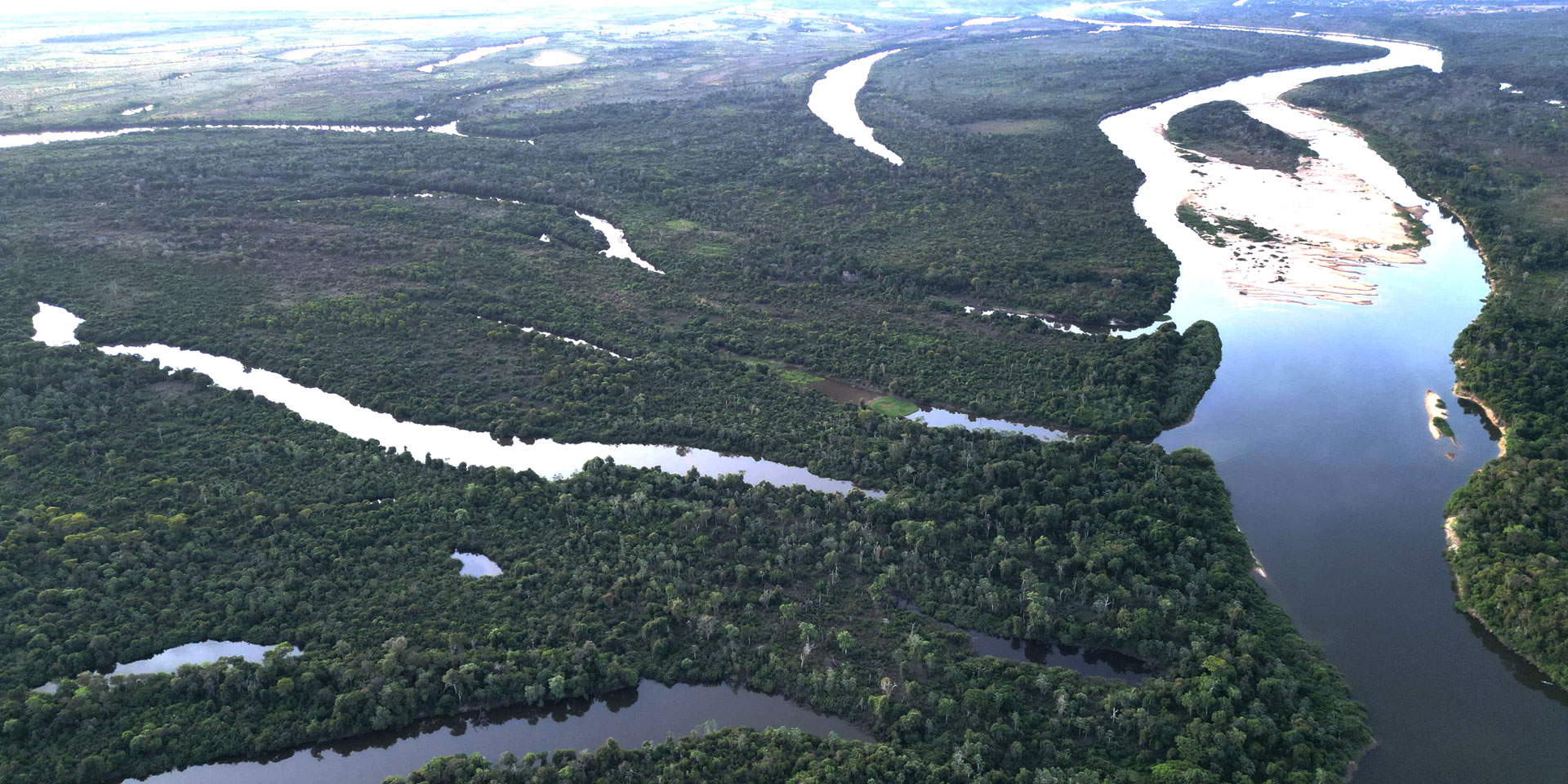
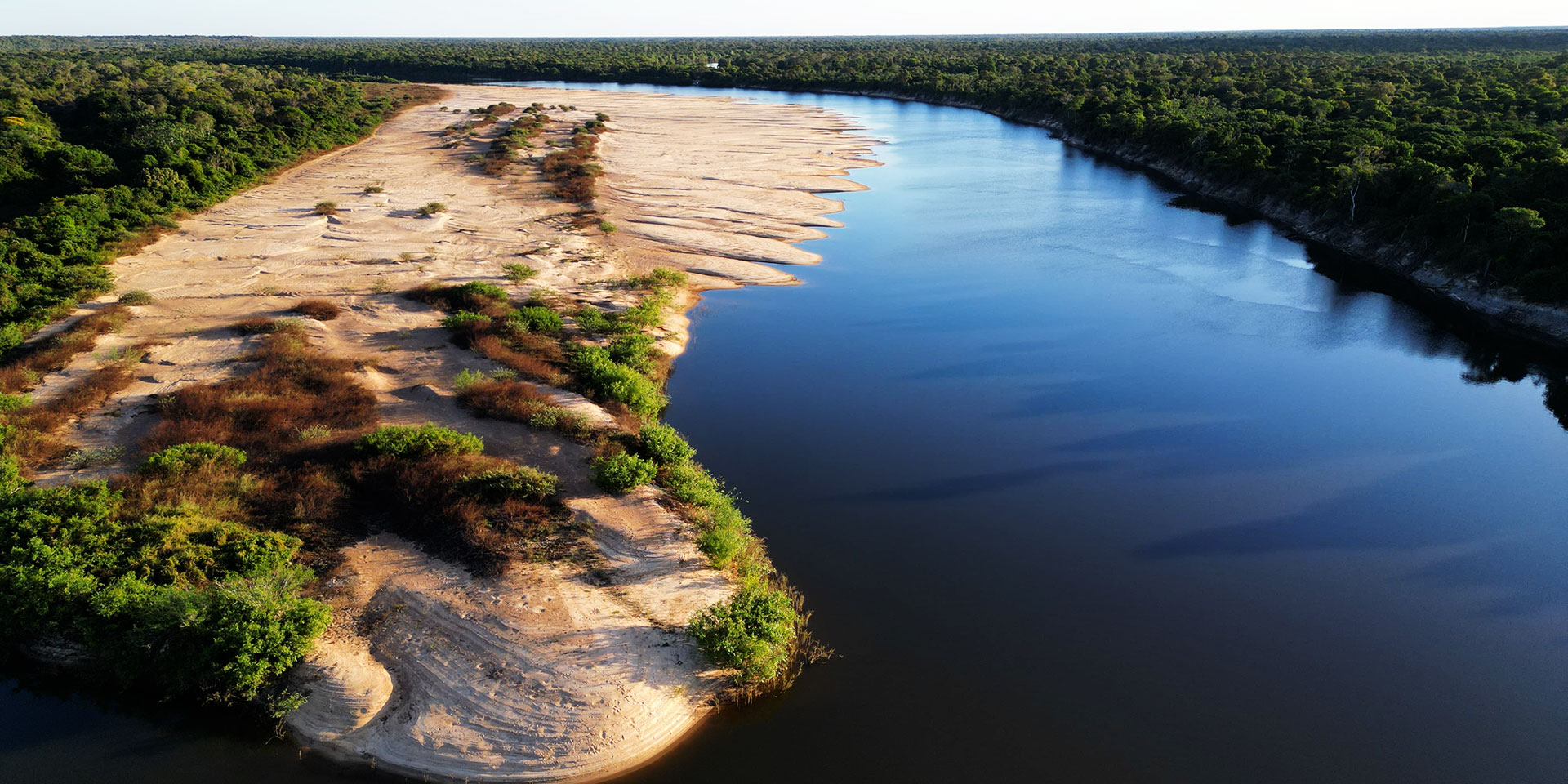
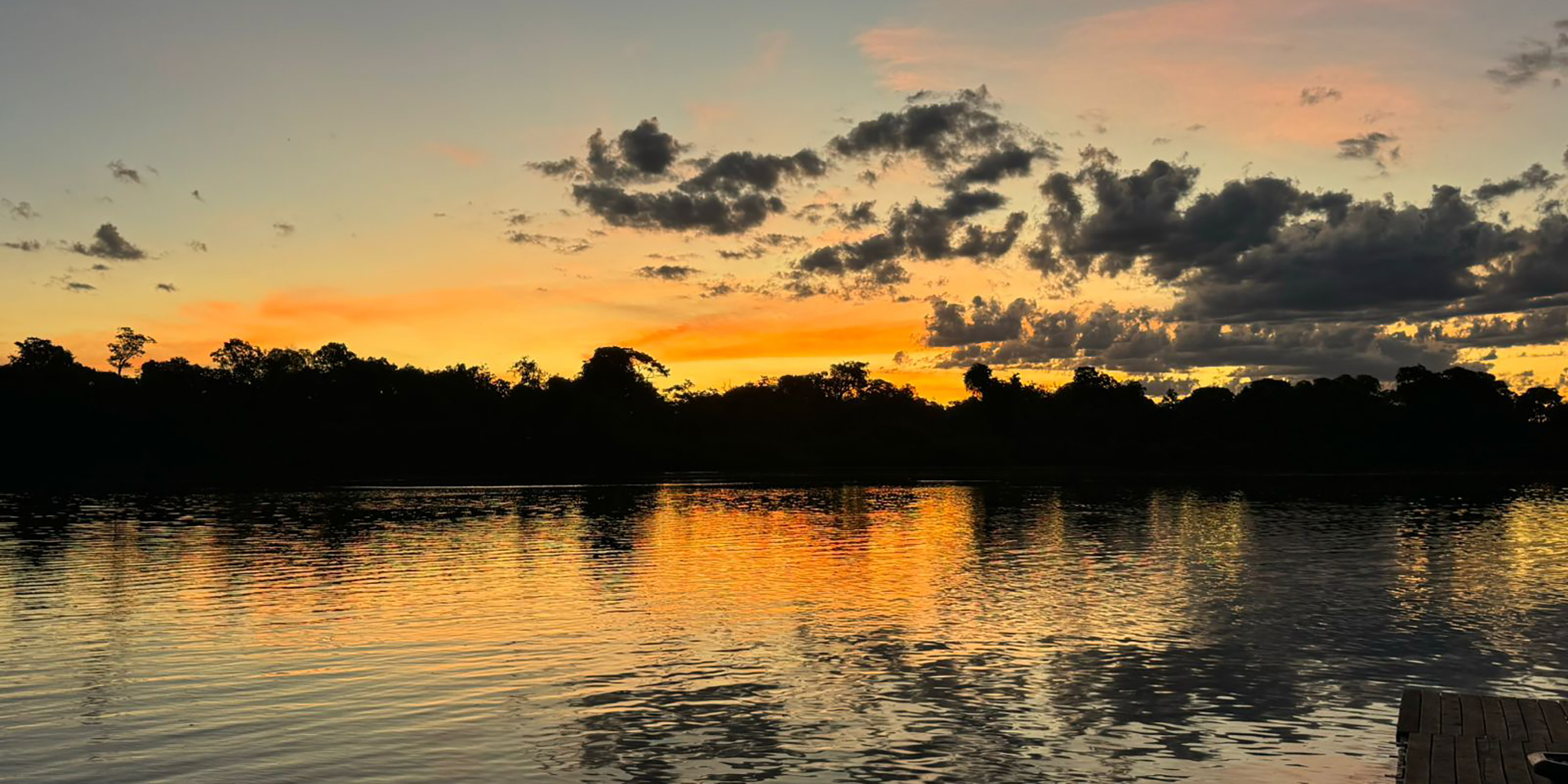
Cantão was presented as a singular territory at the meeting point of the Amazon, Cerrado, and Araguaia ecosystems, bringing together more than 300 bird species, nearly 800 lakes, flooded forests, seasonal beaches, and a remarkable presence of megafauna. Beyond its ecological potential, the region was also highlighted for its ability to integrate nature tourism, citizen science, conservation, and immersive experiences.
Another important aspect of the presentation was the construction of a new narrative for the territory of Tocantins. Instead of being seen as a geographic periphery, Cantão was defined as a “center of biodiversity, center of waters, and center of consciousness,” reinforcing the proposal to reposition the region within the national and international sustainable tourism landscape.
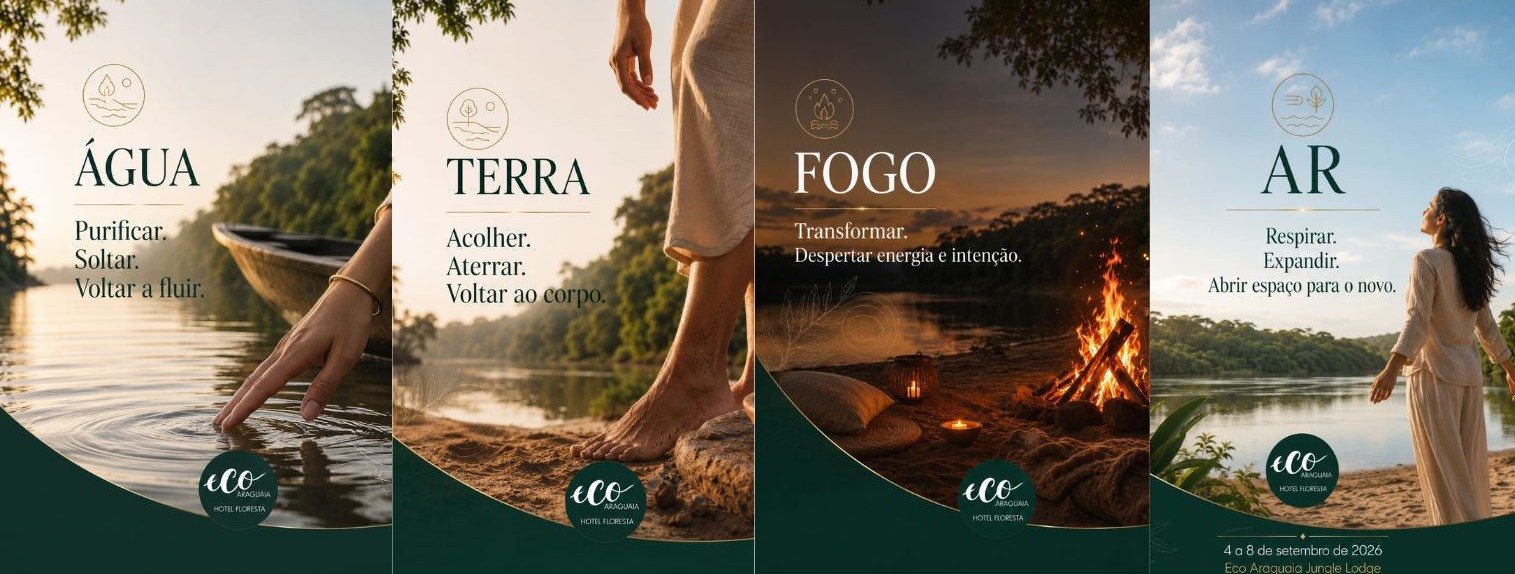
EcoAraguaia Hotel Floresta emerged as a key element of this experience. Integrated into the forest and connected to the Fazenda do Futuro concept, the enterprise offers land and water trails, birdwatching experiences, immersive lodging, and hospitality deeply connected to the territory.
Participation in Avistar also opened doors for new connections with birdwatchers, photographers, researchers, tour operators, and travelers interested in regenerative experiences. The event is recognized as one of Brazil’s main showcases for birdwatching and environmental conservation.